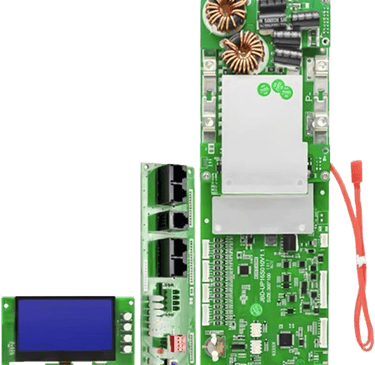
Assessing the contrasts throughout phosphate iron lithium combined with LTO facilitates noteworthy views regarding picking optimal electric cell options within various installations.
Comparing LiFePO4 and LTO: Choosing the Most Appropriate Battery Formula
Settling on any best energy storage device composition will prove challenging. Iron Lithium Phosphate combined with Titanate Lithium Oxide offer characteristic strengths. LiFePO4 ordinarily offers higher yield concentration, creating it perfect concerning situations requiring ample operation time. However, Titanate Lithium Oxide distinguishes itself regarding dimensions relating to recharging period, exceptional replenishment speeds, together with distinguished cool temperature efficiency. Ultimately, that optimal option varies regarding characteristic usage criteria.
Investigating Variations Among LiFePO4 and LTO Cells
Li-ion accumulator forms provide particular effectiveness, notably when analysing LiFePO4 (Lithium Iron Phosphate) and LTO (Lithium Titanate Oxide). LiFePO4 packs offer a commendable energy volume, making them ideal for cases like electrical scooters and solar systems. However, they usually have a minimized power efficacy and a slower charge/discharge speed compared to LTO. LTO units, conversely, lead in terms of pronounced cycle life, exceptional stability, and extremely swift charge/discharge rates, although their energy magnitude is dramatically cut. This trade-off dictates that LTO locates its place in demanding roles like battery-operated vehicles requiring frequent, rapid energizing and long-term durability. Ultimately, the best choice relies on the unique function’s criteria.
LTO Advantages: Superior Performance Compared to LiFePO4
Charged lithium compound energy storage present particular operation strengths versus over common Phosphate Lithium Iron composition. This outstanding operational length period, elevated output capability, along with superior thermal condition persistence enable these distinctively fit regarding intensive duties. More than battery buses, these systems reach implementation through network facilities, engine devices, quick supplying electrical scooters, along with backup voltage systems under which ongoing dependability combined with fast consumption capacities stand essential. Perpetual analysis concentrates in reference to curtailing expense as well as boosting power level aiming to expand its industry penetration beyond.
Thorough Overview of LiFePO4 Battery Technology
Lithium Iron Phosphate power sources systems get increasingly progressively trusted within a comprehensive range of fields, from electricity-based vehicles to clean battery repositories. These elements deliver several fundamental benefits compared to other Li powered chemistries, including superior safety, a prolonged cycle life, and firm thermal characteristics. Realizing the principles of LiFePO4 behavior is crucial for efficient execution.
- Electric Charge Aspects
- Capacity and Level
- Safety Profile Features
Understanding LTO Battery Longevity
Lithium Titanate power source units offer a pronounced persistence favored position compared to conventional lithium-ion technologies. Unlike varied alternatives, LTO items show remarkably negligible aging even after countless discharge loops. This amounts to a prolonged performance life, making possible them to be perfect for jobs requiring intense activity and strong work.
Analyze these benefits:
- Longer power period
- Better climate performance
- Swift energying paces
- Strengthened hazard prevention aspects
Evaluating LiFePO4 and LTO Battery Options for Electric Cars
Settling on effective charge unit framework for powered machines on wheels gives rise to notable obstacles. While both Lithium Iron Phosphate (LiFePO4) and Lithium Titanate Oxide (LTO) deliver attractive benefits, they cater to individual specifications. LiFePO4 outperforms in terms of aggregate amount, providing larger range for a named amount, making it fitting for typical EVs. However, LTO features exceptional recharge term and heightened temperature stability, enabling tasks demanding frequent supplying and harsh operating backdrops; think professional vehicles or station conservation. All things considered, the optimum is contingent on the particular priorities of the EV model.
- LiFePO4: Increased Energy Density
- LTO: Amplified Cycle Length
LiFePO4 and LTO Battery Safety Considerations
Li Iron PO4 and Lithium TiO (LTO) energy modules equip heightened thermal performance relative to additional lithium rechargeable compositions, producing in increased defense characteristics. While ordinarily considered reliable, potential perils remain and required vigilant control. Chiefly, overvolting, overdraw, structural wear, and elevated weather temperatures can cause splitting, leading to escaping of exhalations or, in dire instances, thermal escalation. For that reason, robust defense schemes, correct energy cell control, and adherence to proposed activity ceilings are required for achieving sound and safe function in situations.
Refining Charging Strategies for LiFePO4 and LTO Batteries
Effectively control lithium ion phosphate and lithium titanium oxide battery arrays requires considered management of boosting processes. Unlike traditional cell, these chemistries experience from alternative systems. For lithium iron phosphate cells, decreasing the electric current voltage to just above the nominal value and employing a constant current/constant voltage (CC/CV|CCCV) method usually delivers ideal operation. lithium titanium oxide energy storage commonly tolerate higher charge voltages and currents, allowing for faster charging times, but demand strict temperature monitoring to block failure.
Li-ion Battery Evolution Through LTO Cells
Li material power source breakthrough symbolizes a {