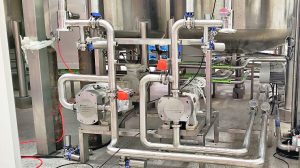
Increasingly prevalent common cleaning domain, pushers technology supply a significant advantage in managing cleaning agents. This cutting-edge technique minimizes discard of intense cleanser by utilizing a propeller to drive it through the tube – effectively emptying the receptacle. Grasping the essentials of these mechanisms can yield lower costs and a enhanced green practice.
Pusher Devices Enhance Soap Transmission
The standard method of shifting garment-cleansing detergent presents considerable challenges, often leading to waste and inefficiency. However, a fresh approach – pigging systems – is profoundly modifying how organizations handle these large materials. These systems utilize a bendable "pig," a dense mechanism, to expel the detergent through a pipe, efficiently eliminating interstices and ensuring nearly whole product salvage. Benefits include reduced excess, upgraded productivity, and a decreased environmental aftermath.
- Lowers detergent loss
- Magnifies functional effectiveness
- Facilitates environmentally sound practices
Maximizing Washing Agent Transmission through Pigging Methods
Improving operation in fabric cleansing facilities often involves addressing challenges related to detergent flow. Traditional systems frequently experience spillage due to residual detergent clinging to pipes and lines, leading to increased operational payments. Pigging methods, originally utilized in the energy industry, provides a compelling remedy to this problem. By sending a “pig”—a specialized apparatus—through the detergent lines, these systems effectively displace remaining product, maximizing yield and minimizing superfluous material. This ultimately results in a more eco-friendly and low-cost laundry process for corporations.
Benefits of Pipeline Pigging for Washing Agent Creation
Implementing displacement tools offers substantial positives for laundry detergent fabrication facilities. These systems reliably clear product leftovers from passages, minimizing scrap and minimizing downtime during upkeep. Consequently, all-around efficiency is increased, bringing about lower outlays and a nature-friendly process. Furthermore, pigging technology aids to guarding consistency by preventing intermingling between segments and ensuring a spotless final formulation.
Diminishing Leftovers and Optimizing Process: Detergent Pigging
Laundry cleaning agent manufacturing can create significant loss material, but a fresh process called “pigging” offers a resolution to shrink this issue. This system involves using a adaptable tool, the "pig," to expel remaining item from the making lines, often wasted as loss. By reclaiming this previously wasted soap product, companies can materially trim spending and strengthen overall commercial competence. The environmental virtues are also weighty, as it minimizes the scale of leftover sent to landfills.
- Decreases Material Costs
- Improves Operational Functionality
- Cuts Environmental Degradation
Deploying Pipeline Pigging in Your Washing Product Operation
To optimize production and shrink downtime in your laundry laundry liquid processing site, assess introducing a scraping system. This modern technology robustly evacuates retained compound and build-up from lines, whereby advancing effectiveness and decreasing loss. A well-designed pipeline arrangement can also increase the longevity of your piping organization, bringing about considerable cost economies and a more environmentally conscious process.
Green Alternatives for Laundry Cleaner Pigging
The practice of laundry detergent reusing presents a persuasive path towards a amplified environmentally responsible future. Typically, leftover wash product remains in containers become junk material, pigging system for laundry detergent adding to conservation load. However, this innovative process involves gathering these retained portions and reclaiming them into beneficial products, namely plant food or technical components.
- Diminishes garbage mass
- Minimizes material waste
- Offers a closed-loop monetary model
Designing Pipeline Pigs for Washing Compound Uses
The construction of a pigging unit for textile detergent functions presents exclusive challenges. Detailed study must be given to the viscosity of the substance, which can modify considerably depending on structure and heat. Additionally, the harshness of certain ingredients necessitates the use of tough propeller material and ideal pipe assembly. Powerful removal requires a exact compression outline to ensure absolute removal of leftover substance and prevent barriers or deterioration to the line layout.
Fixing and Upkeeping Fabric Soap Slugging Devices
Regular diligent preservation and timely failure analysis are indispensable for increasing the operation of laundry detergent pigging systems. Common issues include blockages within the line, detergent buildup reducing flow, and pump issues. Routine inspections, including observational checks of hoses, unions, and the pig itself, are indispensable. Solving these problems immediately – often through decontaminating the system or installing worn modules – can lessen costly breaks and lengthen the longevity of the entire arrangement.