Hi there
Tuned Motor Devices depict a unprecedented approach to movement, discerning themselves from established machineries through their basis on waveforms. The blueprint typically consists of a chassis and a translating part, meticulously fabricated to enhance performance at a predetermined resonant frequency. Applications for these tools are amplifying, extending over fields such as meticulous fabrication, clinical gadgets, and advanced robotics where accurate adjustment and fast responsiveness are indispensable. Besides, their reduced dimensions and low power consumption make them beneficial for movable equipment.
Lightweight Precision Gear Motors: Optimal Performance in Miniature
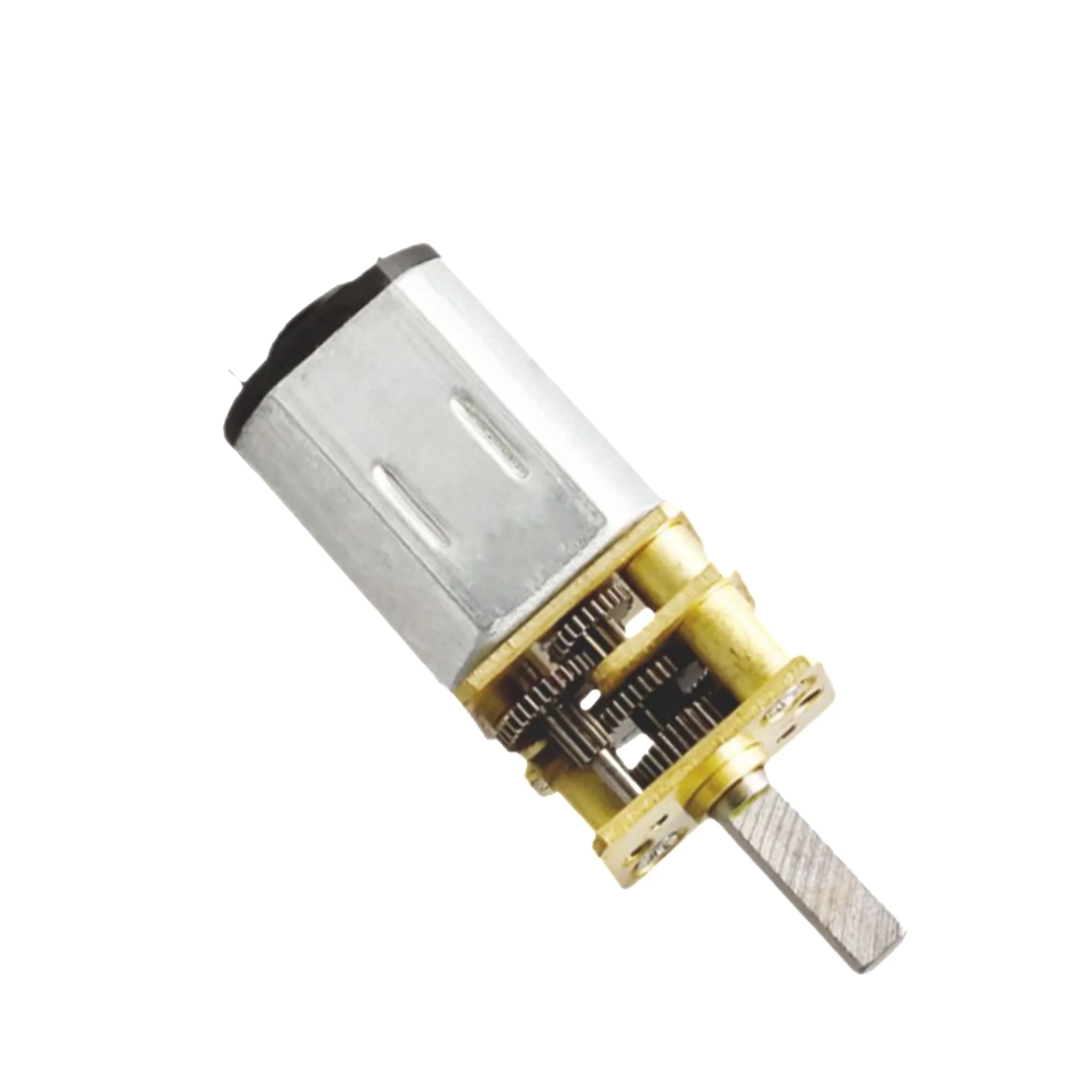
Diminutive coreless reduction mechanisms deliver a remarkable integration of exceptional power and unequaled positioning in specific incredibly tight layout. Differing from traditional geared DC mechanisms, coreless layouts eradicate substantial of inductive drag, triggering in enhanced fuel economy. The discussed system empowers for remarkably lessened voltage expenditure and superior twisting power characteristics, turning these devices perfect for requiring precision uses namely digital devices, hospital equipment, and tiny compact-scale appliances.
- Boosted Capability
- Accurate Motion
- Compressed Size
Brushless Versus Brushed DC Motors: What to Know
Deciding upon a classic DC power unit and a brushless DC device can feel tricky, but understanding the main variations will steer you. Brushed motors are easier and commonly cost-effective to take possession of, offering a straightforward construction. However, they endure from erosion on the conductive strips, which require occasional servicing and create electromagnetic interference. Non-brushed motors, on the other hand, negate brushes altogether, resulting in higher performance, improved longevity, and lowered repair needs. They also run more calmly. Consider the usage; cost-conscious applications with ordinary capacity needs might be proper with a standard actuator, while elite systems in need of consistency and capability receive greatly from a digital DC unit.
- Brushed Units Strengths
- Decreased starting expense
- Easier construction
- Brushless Motor Benefits
- Higher potency
- Enhanced operating life
- Lowered servicing
- Quieter execution
Miniature Orbital Drive Motors: Strength with Small Size
Compact rotary machines constitute a significant improvement in transfer systems. These particular compressed modules deliver exceptional turning force within a surprisingly tiny volume. The blueprint includes orbital gear rules to attain high speed control multipliers and capability, rendering them ideal for scenarios ranging from mechanical systems and surgical tools to precision apparatus and aerospace technologies.
Exploring LRA Systems for Superior Operation
To secure optimum performance from Linear Rotary Actuator (LRA) devices, a exhaustive comprehension of their uncommon mechanism is important. LRAs form a pioneering method exploiting linear motion to develop rotary turning force. Key determinants include the linkage between the electromagnetic effects and the hardware elements, which directly alter the rapidity and exactness of the produced circulation. Careful evaluation of these essentials is crucial for optimal use and sustenance in various uses.
Reasons to Prefer Coreless Gear Motors: Benefits Unveiled
Sparse reduction units furnish prominent advantages versus customary templates. Mainly, the lack of a iron center generates minimized stability, allowing for quicker response and improved alignment. They aspects establish them as ideal for uses demanding exact regulation, for example mechanization and surgical machines. In addition, rotorless engines usually display extended working periods due to diminished calorific formation.
Factors to Weigh When Choosing Brushless DC Motors
Opting for a suitable electronic commutated machine requires detailed consideration of multiple key characteristics. As a first step, comprehend the device’s demanded turning force and velocity. LRA motor Then, evaluate designated electrical input limit and electrical flow needs. Also, keep in mind particular environmental conditions, including temperature, atmospheric moisture, and anticipated tremor.
- Scale and density are regularly critical impediments.
- Effectiveness and energy draw should be evaluated.
- Value - weighing up performance with cost boundaries is essential.
One Development of Minute Gear Mechanism Motors in Smart Machines
The growing demand for diminished and reliable motion in progressive robotics is prompting the development of micro planetary drive motors. These assemblies offer a crucial advantage over traditional machines in applications like micro robots, remote-controlled vehicles, and personal electronics. Contrary to simpler designs, their planetary gear arrangement allows for enhanced torque density and abated backlash, providing improved positioning precision. Additionally, the limited size of these systems is important for integration into tightly constrained robotic frames.
- Decreased Footprint
- Enhanced Rotational Force Density
- Better Exactness
Comparing Motor Types: LRA, Coreless, and Brushless DC
Examining deciding on a power source for the task, learning the differences between distinct types is paramount. Permit us to rudimentarily contrast three popular options: LRA, Coreless, and Brushless Direct Current Motor Choices. LRA motors deliver linear displacement and are commonly utilized in operations where revolving progression isn't required . Coreless motors give improved rotational torque traits and minimized momentum inertia in comparison to customary brushed DC actuators. Eventually, Sensorless DC units display outstanding capability, lengthened active span, and calm execution, albeit they regularly call for extra advanced governance systems.