Within the sphere of enduring traditions,
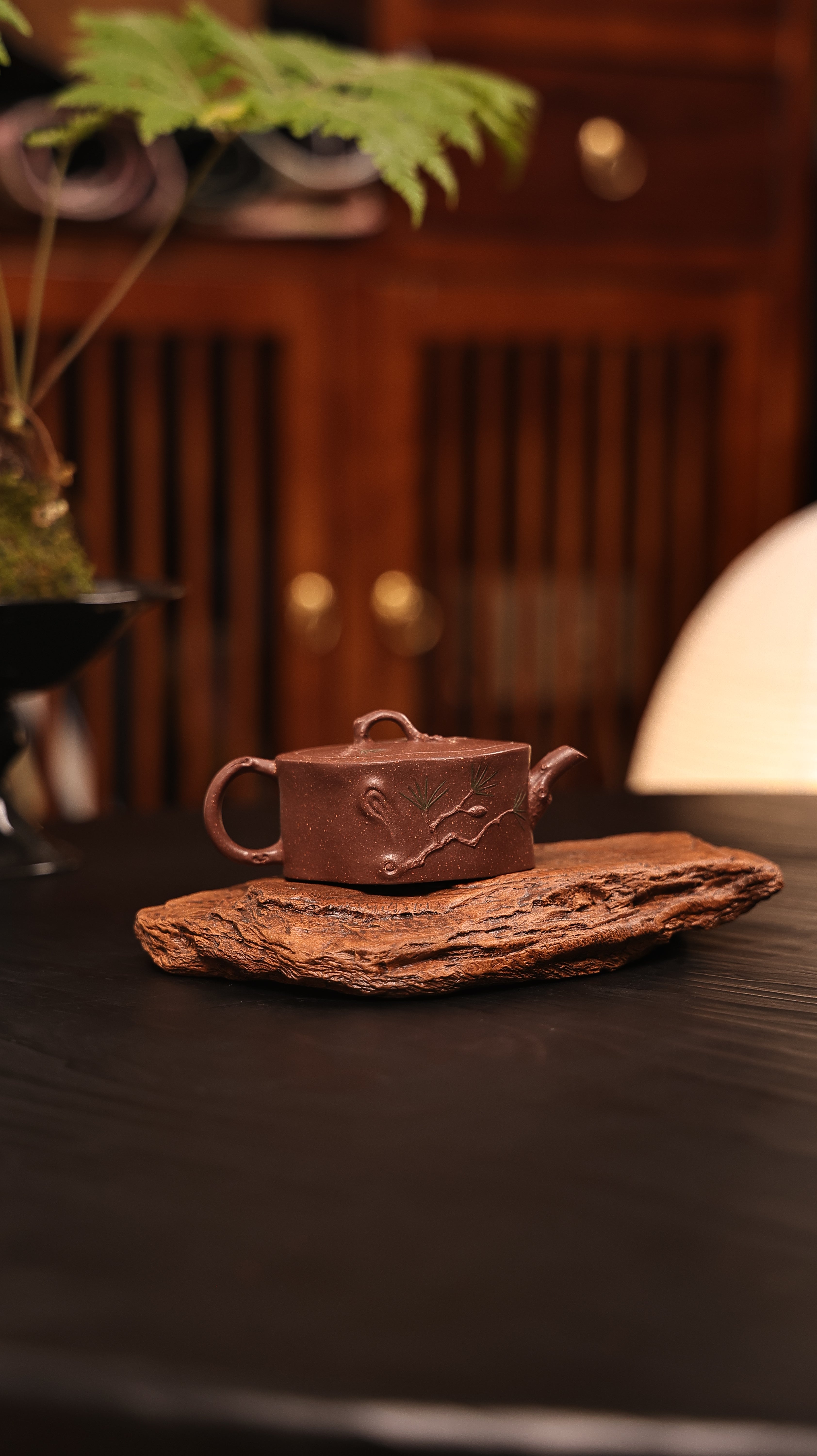
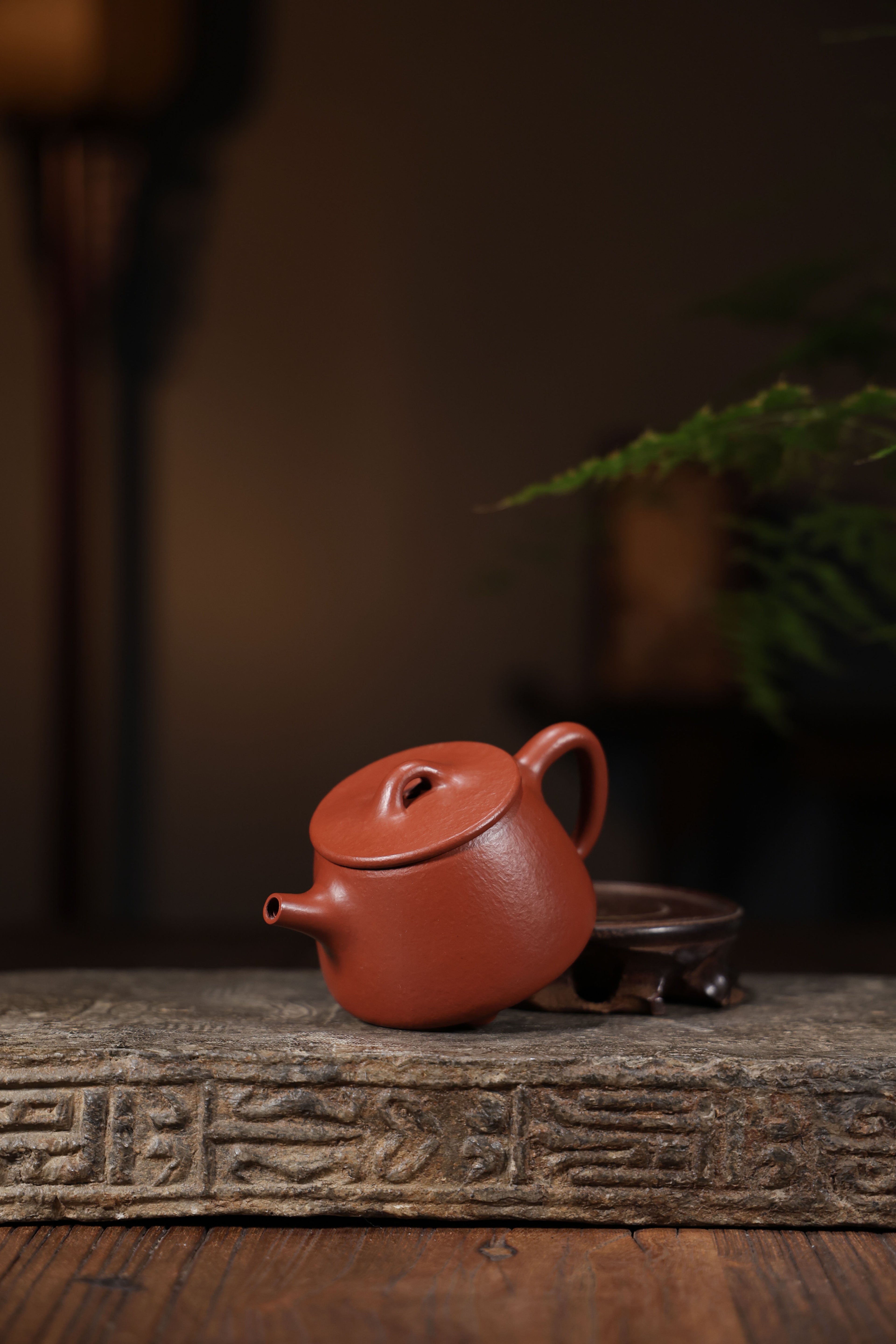
Amidst generations, enthusiasts have been fascinated by the distinctive charm of Yixing Zisha containers. Originating from the district of Yixing in China, these artifacts are renowned for their distinguished beauty, extraordinary clay, and congenital ability to improve the aroma of the drink. The substrate's distinctive burgundy hue, combined with the proficient production of Yixing's potters, creates artifacts that are as functional creations and prized holdings. Purchasing a Zisha teapot is more than just one purchase; it's adopting a rich legacy heritage.
Unraveling Yixing Teapots: Chronicles, Kinds, and Merit
The renowned Yixing teapots stand as a deep past deeply intertwined with Chinese culture. Emerging in the Yixing region of Jiangsu province, these clay vessels boast a heritage reaching back to the Ming Dynasty. First examples were functional, but during centuries, Yixing teapot craftsmanship evolved into an esteemed art form. The clay itself, known for its unique porosity and ability to refine the flavor of the tea, lasts a defining factor. Yixing teapots emerge in various types, broadly categorized by shape: Timeless such as Zhuni (purple clay) and Bisheng, as well as specialized designs. The value of a Yixing teapot centers on several factors, including the Chinese Teapot potter’s standing, the age of the piece, the rarity of the clay, and its aesthetic allure.- Background: Centuries ago
- Medium: Assorted selections
- Cost Determinants: Scarcity
Zisha Teapot Mastery: Craft and Artisans
Such creation of a original Zisha teapot is a challenging process, requiring generations of mastery. Expert artisans meticulously source the excellent Zisha clay, a uncommon earth found only in specific regions of China. Time-honored techniques, often bequeathed through families, involve accurate shaping, nuanced carving, and unhurried firing in ancient fireplaces. The culminating teapot isn't merely a holder; it's a testament to creative vision and the weighty connection between the craftsman and their lineage. Each object showcases the individual touch of the creator, resulting in a truly one-of-a-kind work of design.
The Clayware: Discovering the Broad Customs of the Yixing Territory
The Yixing City, established in Jiangsu the region, is broadly renowned for its exceptional vessels – a tangible representation of centuries of Chinese craftsmanship. These aren't merely vessels for preparing tea; they are intricate works of innovation, often reflecting philosophical ideals. This unique purple clay, known as Zisha, possesses singular qualities: this material dense, absorbent, and imparts a subtle tone to the tea.
- Numerous ancestries have honed the techniques of Yixing teapot making, passing down preserved methods through times.
- Collectors prize these pieces for their appearance and exceptionality.
- Each container tells a account, connecting the partaker to a rich history.
Entering Yixing Zisha: Important Factors
In the process of assessing investing in Yixing Zisha vessels, countless parameters command careful attention. To begin with, the soil's tint is key; authentic Zisha ordinarily exhibits a unique auburn cast. As well, investigate the execution; detailed details and a refined texture demonstrate expert production. At last, analyze the artist’s history; celebrated names bring increased costs and often deliver a stronger yield.
Brewing Excellence with Zisha Teapots
Steeping savory tea with a Zisha urn is more beyond a simple technique; it's an mastery. Zisha clay, famous for its unique geological composition, imparts a nuanced character to the brewed tea that’s often absent with other materials. The fitting water climate is imperative; typically, reduced than what's used for black tea, to save the tea's scent and taste. Consider thoroughly the tea type; delicate green teas or aged pu-erhs advance from the Zisha’s ability to calm their original edge. It’s vital to rinse the teapot before brewing, and to exclude over-steeping. Mastering this craft leads to a sincerely exceptional tea occasion.
- Understanding Zisha Clay
- Water Temperature & Tea Classification
- Benefit of Warming
Sustaining Your Celebrated Vessel
To preserve the endurance of your beautiful Yixing jar, routine attention is utterly indispensable. Refrain from using synthetic products; instead, lightly wash it with pleasantly heated moisture. Steer clear of unexpected changes; refrain lay the teapot directly onto a burning area. Periodically, enrich the vessel by processing it with premium specialty beverage, as this helps to increase its character and shields the unique features of the clay.
Pertaining to Clay to Goblet: The Journey of a Chinese Ceramic
This creation of a Zisha teapot is a extraordinary method, a evidence to both the earth's bounty and the competence of the artisan. It initiates with the rigorous extraction of the special clay from the burgundy Zisha mines near Yixing. This untreated material, known for its superlative characteristics, is then carefully clarified and ready for the preliminary forming. The bottle’s form is masterfully formed using a mix of historical forming approaches, often incorporating elaborate decorations. Following seasoning, the pot undergoes a crucial first firing, complemented by a layering stage, which might involve several layers of traditional Zisha applications. Finally, a second, and sometimes third, firing at powerful temperatures brings the creation, revealing its complete beauty and extraordinary characteristics - a bona fide masterpiece, primed to grace a tea gathering.
{Yixing Teapots: A Sign of the Legacy and Valuation
Yixing teapots, originating from the famed Yixing region of Jiangsu province, are far more than mere pots for brewing brews; they represent a important aspect of Chinese traditions. Constructed from distinctive purple clay – zisha – these uncommon teapots are highly admired for their ability to amplify the flavor of the tea and, crucially, for their splendor. The annals of Yixing teapot making spans centuries, and the skill involved is passed down through generations, making each teapot a work of art that embodies ancient techniques and a profound appreciation for the understated pleasures in life.