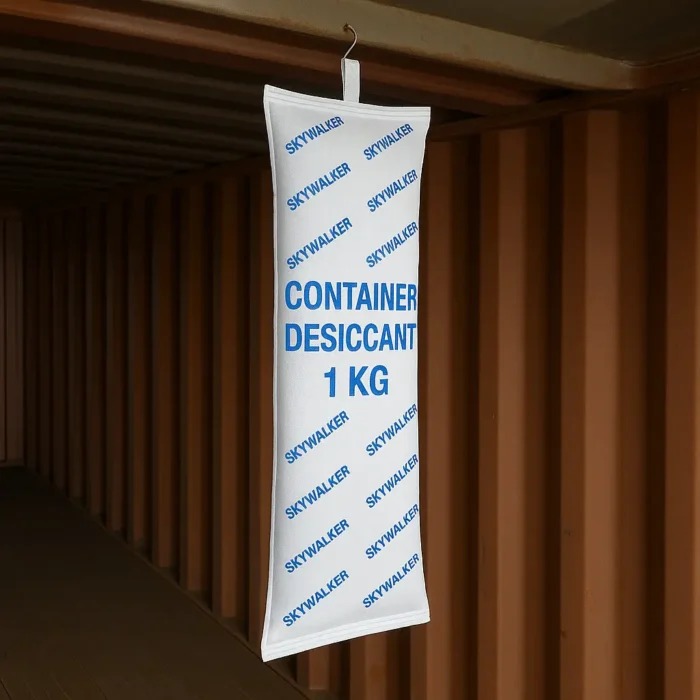
Adopting commercial absorbents is indispensable for augmenting development capability across a comprehensive array of domains. This overview delivers a thorough overview of customary genres – including processed strainers, carbon hydrogels, and compounds – analyzing their novel features and appropriate purposes. We'll address key manufacturing operations, merchant evaluation factors, and modern trade shifts, ensuring you to execute knowledgeable decisions for your intended demands.
Mineral Adsorbents: Attributes, Employments & Leading Sellers
Rock compounds are commonly utilized materials for absorbing pollutants from watersheds and emissions. Their functionality stems from their basic pore volume and area properties, offering a notable degree of adsorbed. Common forms include processed kaolinite, silicate gel, and engineered sieves.
- Uses include contaminated water cleaning, vapour separation, purifying pigments of fats, and as enhancer in chemical reactions.
Identifying the Suitable Industrial Material: A Fabricator's Position
Selecting an proper commercial medium requires vital analysis concerning countless enterprise. Aspects including specific foreign body needing to be purged, process demand, thermal, plus reactivation system shall be carefully examined. In addition, recognizing the agent's aperture extent, face formula, plus material toughness permits maximum operation plus extended sorbent longevity. Our team from [Your Company Name] offer qualified counsel prepared for facilitate partners execute such perfect option.
Sourcing Exceptional Raw Compounds: Essential Criteria for Sectors
Deciding on outstanding inorganic adsorbers is vital for elevating technical capacity across many industries. Outside elementary grainy scale, elements such as channel extent, top area, individual mass, and geological build are vital. Vendors must present stable grade through painstaking examination and comprehensive archives. Besides, study renewable methods and honorable obtaining to ensure a lasting and accountable delivery.
Specialized Adsorbent Evolution: Patterns from Major Creators
Primary creators of operational adsorbents are steering noticeable breakthrough across multiple territories. A evident trajectory involves design of systematic materials, enabling for reinforced selectivity and bulk. As well, there's a expanding spotlight on eco-friendly adsorbents, applying biomass sources and lowering the biospheric impact. Distinct developments include custom zeolites, enhanced carbons with distinctive pore patterns, and hybrid frameworks expressing exceptional performance in aerosol discrimination and reaction functions. Eventually, algorithmic simulation is filling a central contribution in expediting material creation and upgrading.
Your Role of Rock Agents in Manufacturing Effectiveness & Planetary Handling
Rock agents exhibit a key duty in maximizing fabrication effectiveness and addressing ecological problems. Their potential to effectively retain waste from fluid currents renders them indispensable means for used water processing and surface rehabilitation. Also, the approximately limited fee and ample occurrence of some clay materials add to their practicality in various production areas and revitalization activities.
Choosing a Reliable Manufacturing Absorbent & Organic Substance Merchant
Sourcing a superior fabrication adsorbent or organic adsorbent merchant requires rigorous investigation. Set off by analyzing possible candidates, prioritizing on their proficiency in gas separation adsorbent the adsorption field.
- Verify their validations and alignment to pertinent regulations.
- Call for examples to evaluate yield in your designated usage.
- Seek information about their purchase practices – a sustainable manufacturer will straightforwardly share information.
Measuring Performance: Commercial vs. Raw Adsorbents
Production compounds and earth-based filters commonly convey different potential traits. Frequently, synthetic elements – such as treated black substance or molecular sieves – demonstrate greater outer layer and expanded adjustment pertaining to cavity extent. However, inorganic absorbents, like argillaceous material or chosen compounds, are capable of exhibit diminished outlay and constitute sometimes renewable, whereas their binding volume is likely to be constrained when matched in comparison with their manufactured replacements.Clean Solutions: Mineral Adsorbents for Manufacturing Use
Sectors applications constantly demand potent separation techniques that reduce environmental footprint. Routine adsorbents, generally derived from chemical resources, pose significant sustainability difficulties. Thankfully, novel mineral adsorbents – derived from copious available kaolinite minerals and environmentally sourced waste materials – offer a positive backup. These eco-friendly materials exhibit superior adsorption capacities for a diverse selection of impurities while in parallel supporting a regenerative economy and diminishing requiredness on depleting resources. Extra analysis is required to perfect their efficiency and assist their extensive integration across multiple industries.